Common Pests and Treatments: A Complete Resource on Pest Management
Households often face challenges from common pests like ants, cockroaches, and rodents. Such pest problems may interfere with everyday routines and create health hazards. Early detection is key, often signaled by telltale signs such as droppings or gnaw marks. Comprehending efficient elimination techniques and prevention plans can defend households. This guide discusses these topics and provides insight into when professional help may be essential. What steps can homeowners take to safeguard their properties successfully?
Recognizing Typical Home Pests
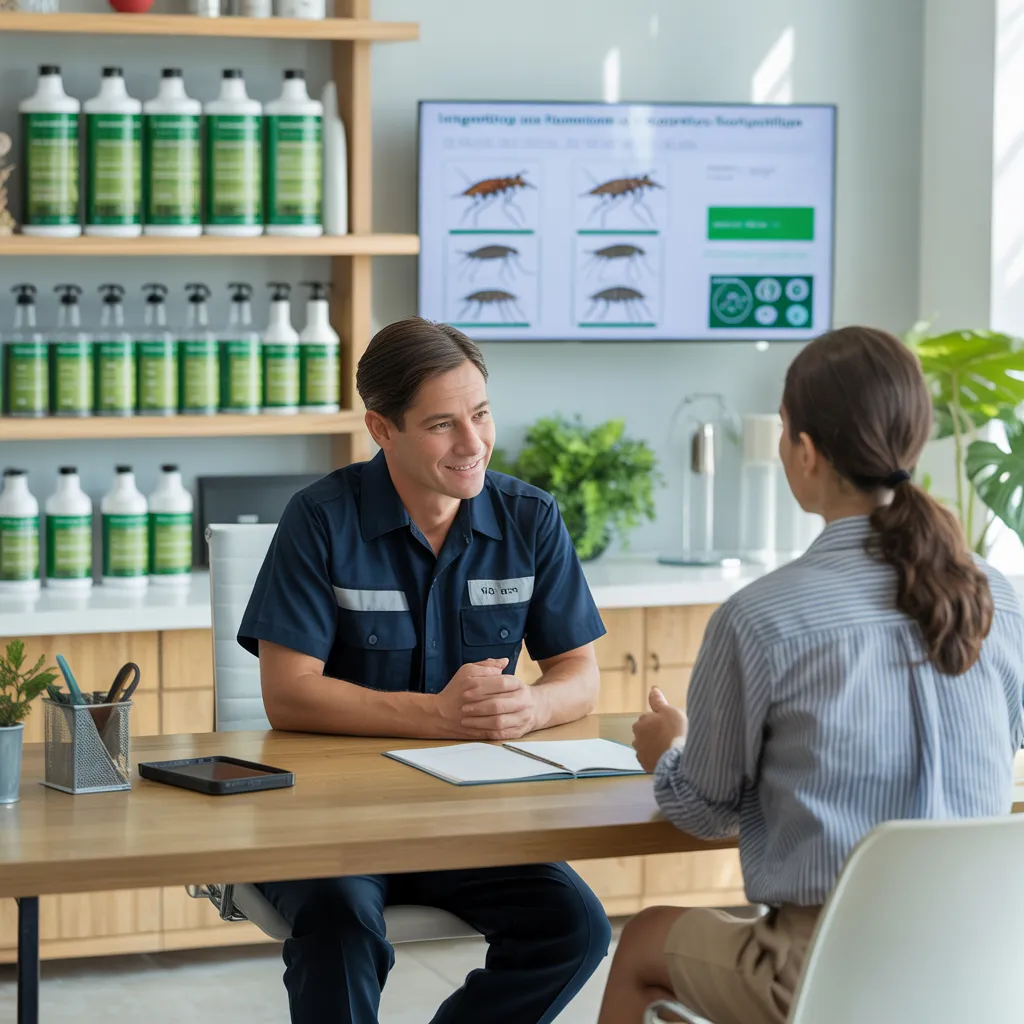
How does one go about effectively identifying common household pests? The primary step entails observing the environment for signs of pest activity. Regular household pests comprise ants, cockroaches, spiders, and rodents. Every species displays unique characteristics. Ants are often seen in trails, while cockroaches prefer dark, damp areas. Spiders can be identified by their webs and unique body shapes. Rodents, such as mice and rats, create droppings and gnaw marks.
In addition, comprehending pest behavior is crucial. For example, some pests are night-active, making night inspections necessary. Awareness of their chosen habitats facilitates identification; termites, for instance, are generally found near wood sources. Understanding these traits can support faster identification and proper management. Consequently, a keen eye and knowledge of common pests' habits and appearances are essential for effectively identifying household invaders.
Signs of Infestation
A home's pest problem frequently becomes apparent through different indicators of infestation. Homeowners may notice droppings, which can vary in size and shape depending on the pest species. Furthermore, bite marks on wood or food packaging signal rodent behavior, while small perforations in walls or furniture could suggest insect presence such as termites. Unusual sounds, like scratching or buzzing, often signal an infestation hidden within walls or ceilings.
One more revealing sign is the existence of nesting sites and webbing, which can be discovered in corners or hidden spaces. Unexplained damage to food products or plants may also point to pest activity. Moreover, disagreeable odors can emerge from decomposing pests or their waste. Identifying these signs early is essential for successful pest control, as prompt intervention can avoid further damage and reduce health risks associated with infestations.
Protective Measures
After signs of infestation are identified, establishing effective prevention strategies becomes essential to defending a home against future pest problems. Homeowners should primarily focus on keeping cleanliness, as food remnants and clutter invite pests. Consistently cleaning, vacuuming, and properly storing food can relevant resource greatly reduce the likelihood of infestations.
Additionally, sealing up cracks and crevices in windows, doors, and walls helps prevent pests from entering. Adding screens on vents and windows establishes another barrier against uninvited pests. Proper drainage and removing standing water eradicate breeding grounds for insects.
Landscaping practices also play an important role; keeping bushes trimmed and upholding a clear boundary between vegetation and the home can discourage pest activity. Furthermore, instructing household members about these practices creates a collective effort in prevention, making it far more challenging for pests to gain a foothold within the home.
Proven Treatment Options
Handling an infestation demands a methodical approach to confirm efficient treatment options are utilized. Various methods are present, customized to specific pest types and the magnitude of the infestation. Chemical treatments, such as insecticides and rodenticides, are extensively used for their rapid impact. However, these compounds should be used meticulously, respecting safety guidelines to preserve humans and pets.
Natural predators and parasites serve as biological controls, providing an environmentally friendly option that minimizes reliance on chemicals. Integrated Pest Management (IPM) combines multiple strategies, emphasizing prevention and monitoring alongside treatment, which enhances long-term effectiveness.
Physical barriers, such as traps and exclusion techniques, offer non-toxic alternatives for handling pests, particularly rodents and insects. In situations involving severe infestations, expert pest management solutions may be required, utilizing sophisticated methods and expertise to remove pests successfully. Every treatment choice should be examined for its effectiveness, safety, and environmental impact to ensure a comprehensive approach to pest management.
DIY Pest Management Solutions
In the world of pest control, DIY approaches can provide effective options to commercial treatments. Green solutions for managing pest challenges encompass natural remedies and homemade traps or baits. These methods not only lessen reliance on chemicals but also help individuals to take control of their living spaces.
Natural Approaches to Pest Problems
How can homeowners effectively combat pests without resorting to harsh chemicals? Natural methods deliver an environmentally conscious choice for managing pests. Natural oils like peppermint and tea tree can discourage insects when properly diluted and dispersed around living spaces. Diatomaceous earth, a fine powder made from fossilized algae, can be sprinkled in areas where pests are prevalent, causing dehydration in insects that come into contact with it. Vinegar mixtures work as powerful cleaning agents that additionally keep ants and spiders away. Moreover, cultivating pest-resistant herbs like basil and lavender can form a natural defense against unwelcome insects. Through adopting these natural strategies, residents can keep a pest-free home while decreasing their interaction with hazardous chemicals.
Homemade Bait and Trap Solutions
For homeowners searching for more options to address pests without chemical solutions, handmade traps and baits provide an efficient remedy. These DIY methods utilize common household items, rendering them both economical and environmentally friendly. For example, an easy fruit fly trap can be made with a jar containing apple cider vinegar and topped with plastic covering, perforated with small openings. This entices and ensnares the flies, reducing their population. In the same way, a mixture of borax and sugar serves as a powerful lure for ants, attracting them while the borax damages their digestive functions. Homemade traps can target various pests, encompassing mice, insects, and even larger animals, providing homeowners with a practical alternative to commercial pest control products.
When You Should Contact a Professional
Determining the right time to reach out to a expert for pest control can be tricky. Homeowners often try to manage pest issues themselves, but specific situations require expert assistance. If the infestation is severe or has remained despite DIY efforts, it is advisable to seek professional assistance. In addition, certain pests, such as termites or bedbugs, require specific treatments that are best handled by qualified technicians.
When a property owner faces health threats, like allergies or disease transmission related to pests, the urgency for professional assistance grows. Furthermore, if the pest problem threatens structural integrity or poses a fire hazard, urgent action is vital.
Ultimately, people missing the time or expertise to adequately manage the situation should consider recruiting professionals. Spotting these signs can facilitate prompt and effective pest management, guaranteeing a safe and comfortable living environment.
Frequently Asked Questions
How Do I Identify a Severe Pest Problem?
To determine if a pest infestation is severe, one should monitor the rate of sightings, visible harm to property, signs of infestation, and the presence of waste or nests, pointing to a more extensive, ongoing issue.
Do Natural Pest Control Remedies Exist?
Organic methods for pest control include utilizing essential oils, diatomaceous earth, vinegar, and soapy water. These methods can repel or remove pests without damaging chemicals, catering to those pursuing earth-conscious options for managing infestations.
How Can I Safely Get Rid of Dead Pests?
To securely discard dead pests, you must wear gloves, place the body in a sealed bag, and discard it in the trash. Another option is that some may decide to bury it at a safe distance from living spaces.
Are Pests Harmful to My Pets' Health?
Indeed, pests can adversely affect pets' health. Infestations may lead to diseases, parasites, and allergic reactions, which can lead to severe health issues or discomfort. Routine vet visits and prevention strategies are crucial for protecting your pet's health against pests.
What Is the Cost of Professional Pest Control Services?
Expert pest control services generally range from $100 to $300 per appointment, based on factors like the type of pest, severity of problem, and location. Ongoing maintenance plans may incur additional costs over time.